

Stopped for DUI While Visiting the Smokies: What to Do Next
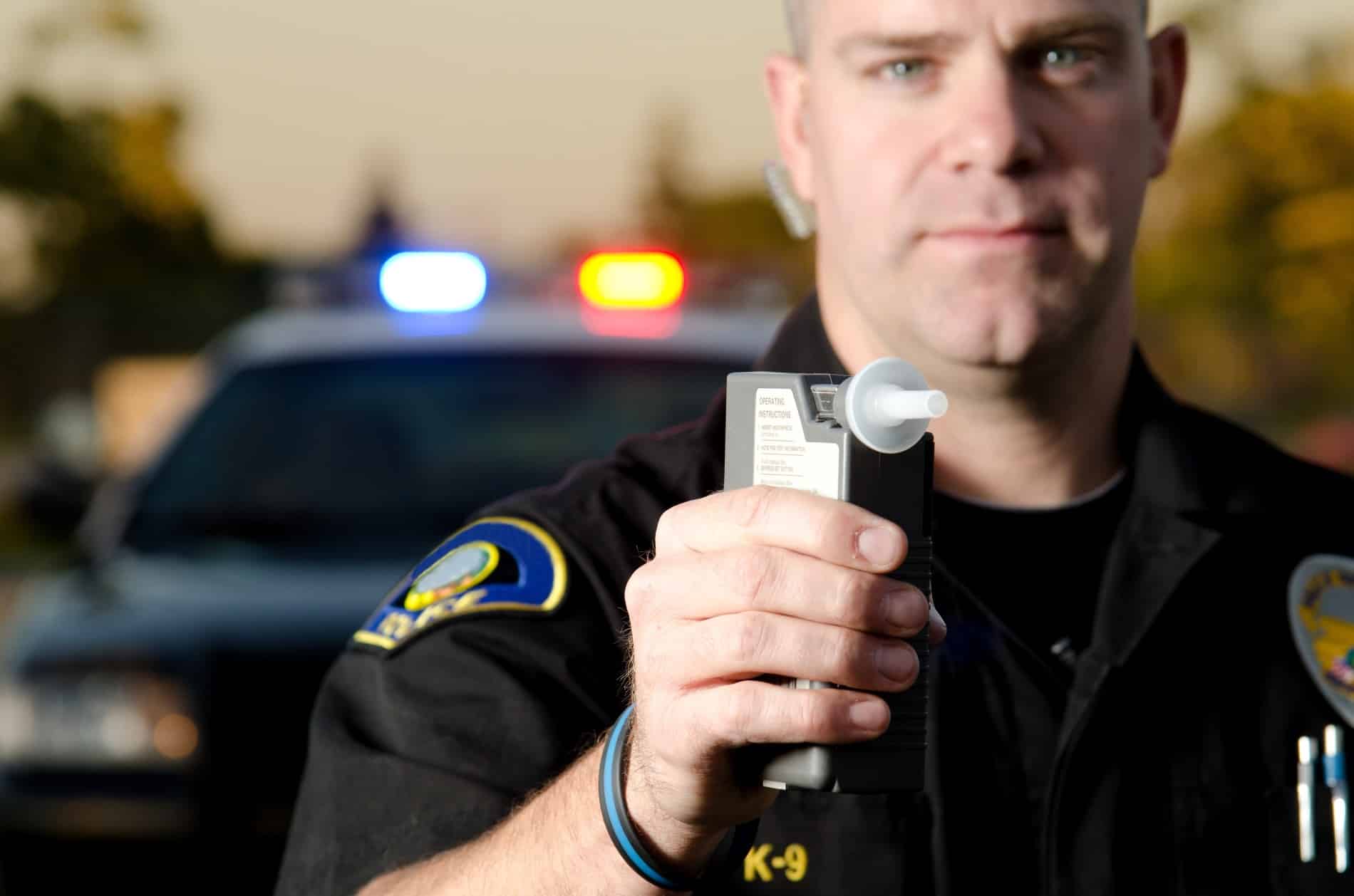 A trip to the Great Smoky Mountains should be all about the stunning views and quiet, peaceful drives. But when you see flashing lights in your rearview mirror and find yourself taking a Breathalyzer test, suddenly that’s the focal point of the trip. Every year, tourists visiting this part of Tennessee find themselves facing DUI charges they never expected. Whether you truly did overdo it, only had a drink at dinner, or were completely sober when stopped, being pulled over in a state that isn’t your own can be stressful.
Understanding your rights and what you should do in the moment can help you stay calm and avoid panicking. Having the right legal representation can also make a big difference. If you’ve been stopped for a DUI while visiting the Smokies, contact Delius, McKenzie & McCarter to set up a consultation with our team now.
Immediate steps after a DUI stop in Tennessee
First, stay calm and remember your rights. Panicking will make the situation worse and may even give the officers more reason to believe that you are impaired. Keep your hands visible and answer their questions respectfully, but remember your constitutional rights. Those don’t go away just because you’re an out-of-state visitor. You do have to provide your driver’s license, registration, and insurance, but you don’t need to talk about how much you were drinking or otherwise try to talk yourself out of an arrest. Field sobriety tests are voluntary in Tennessee. Chemical testing is governed by Tennessee’s implied consent law, meaning refusal after a lawful arrest can result in separate penalties.
Tennessee, like many other states, has an implied consent law. By driving on the state’s roads, you agree to submit to a chemical test (breath or blood) if you are arrested for driving while impaired. Refusing can result in a separate implied-consent violation and mandatory loss of driving privileges. Tennessee cannot physically revoke an out-of-state license, but it can suspend or revoke your privilege to drive within Tennessee and report the action to your home state.
Keep a running log of anything that you think may be useful to an attorney. If an officer misrepresents your legal rights or uses improper coercion, those facts may be relevant to a suppression or defense analysis.
How out-of-state drivers are treated differently
While a DUI arrest is stressful for anyone, it is particularly confusing for those who are visiting from a different state. Tennessee’s DUI laws still apply to you, but you may also suffer consequences in your home state.
To start, you’ll have to attend court in the county where you were arrested. That means additional traveling and expenses. If you miss court, the judge may issue a bench warrant, and you may also face a separate Failure to Appear charge. In some cases, counsel may be able to appear on your behalf for certain hearings, depending on the court and circumstances.
Most states, including Tennessee, participate in reporting DUI convictions, meaning your home state may be notified if you are arrested or convicted while visiting Tennessee. Even if your home state is not a member of the Driver License Compact (DLC), it may still take action on your license based on information reported through interstate databases and reporting agreements. This means that what happens in Tennessee likely doesn’t stay in Tennessee.
License suspension, revocation, and effects in your home state
If you are convicted of driving while impaired in Tennessee, you risk losing your license. A first-time offender loses their license for one year. Subsequent DUI convictions lead to even stiffer penalties and further loss of freedom. Additionally, a DUI conviction can carry jail time ranging from mandatory minimums up to 11 months and 29 days, depending on the offense and circumstances. You might also be forced to attend an alcohol and drug treatment program, pay restitution to anyone you harmed while impaired, and pay a fine of up to $1,500.
The state of Tennessee reports that the average cost for a first-time offender is $4,900, thanks to towing, bail fees, high-risk insurance, court costs, school costs, and other expenses. The court may also require you to have an ignition interlock device installed at your own expense. These expenses only increase when you live out of state, since you may need to travel multiple times to go to court.
Finally, your DUI will affect your insurance rates, whether or not your conviction occurs in your home state. You should expect to have to pay for high-risk insurance for several years following a conviction.
Protecting yourself after a DUI stop on vacation
Talking to a DUI defense lawyer should be one of your first steps after a DUI arrest, but it is even more important if you are outside your home state. You need an attorney local to the area you’re visiting, as they know the state laws and can guide you through the court process. They may also be able to vouch for you at court, so you do not have to travel for every court date.
You may also want to consult a DUI attorney in your home state. If your license is suspended in Tennessee, you need to know if it is also restricted where you live. Otherwise, you risk getting pulled over again and receiving a citation for driving without a license. Tying up the loose ends in both states can help you limit your financial losses.
Fight for your freedom with a DUI defense lawyer at Delius, McKenzie & McCarter
Getting arrested for DUI on vacation may be one of the most stressful things you’ve ever experienced, but you do not have to go through it alone. With the team at Delius, McKenzie & McCarter, you can take steps to protect your future. Contact us online today to set up a consultation.

Attorney Bryan E. Delius was born and raised in Sevier County, TN. He founded Delius & McKenzie more than 20 years ago, after receiving his JD from the University of Tennessee at Knoxville. He is admitted in Tennessee and in several federal court systems. Learn more about Bryan E. Delius.